Infrastructure Challenges
Understanding Upland's pressing infrastructure issues and what lies ahead
Challenges Ahead
The information presented below is not based on my personal opinion. It is drawn directly from reports, presentations, and public discussions that have taken place during Upland City Council meetings over the past four years.
My purpose is simple: to help residents better understand the facts surrounding our city's challenges and opportunities by sharing information that is supported by the public record. Too often, important issues are overshadowed by speculation, misinformation, or emotionally driven commentary on social media. An informed community deserves accurate information, clear context, and the facts necessary to make its own conclusions.
Everything that follows is intended to educate, not persuade, by relying on documented information that has been presented in open public meetings.


Streets and Roads
Deferred Maintenance Costs More


Water Infrastructure
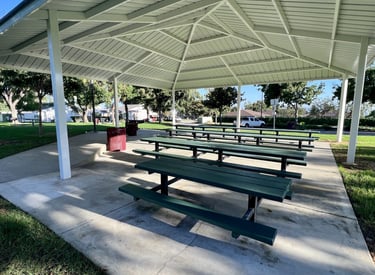
Parks and Public Facilities
The Infrastructure Challenge
The City's most significant financial burden is not day-to-day operations.
It is deferred infrastructure maintenance.
For decades, Upland, like many California cities, did not receive enough ongoing funding to fully maintain public infrastructure.
Instead of replacing assets before they wore out, many repairs were delayed simply because funding was unavailable.
Eventually those deferred repairs accumulated into a massive backlog.
Streets and Roads
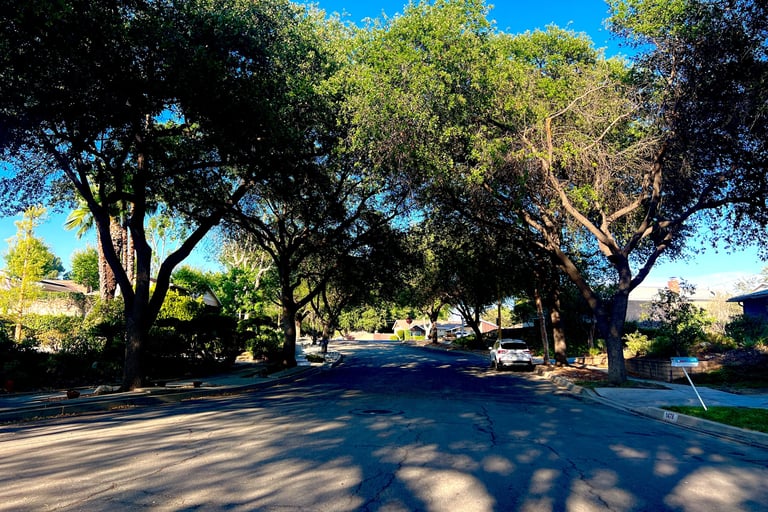
Roads illustrate the problem better than almost anything else.
Road maintenance works much like home maintenance.
If a roof is repaired early, repairs may cost only a few thousand dollars.
If maintenance is delayed long enough, the entire roof may need replacement at many times the cost.
Roads behave exactly the same way.
Small cracks can often be sealed inexpensively.
If ignored:
water penetrates pavement,
the base begins failing,
potholes form,
eventually the road must be completely reconstructed.
The City evaluates road conditions using the Pavement Condition Index (PCI).
As of 2026:
Upland's overall PCI is 53, the lowest reported in the region.
Maintaining the current roadway condition would require approximately $16.4 million annually.
Improving roads to a PCI of 70 (generally considered "good") would require roughly $28.1 million annually for five years.
The City budgeted only about $6.8 million for pavement work in 2026.
The estimated roadway, alley, and parking lot backlog is approximately $217 million, projected to grow to $238 million by the end of 2027 if funding levels do not increase. This means the City currently invests only a fraction of what engineering analyses indicate is necessary.
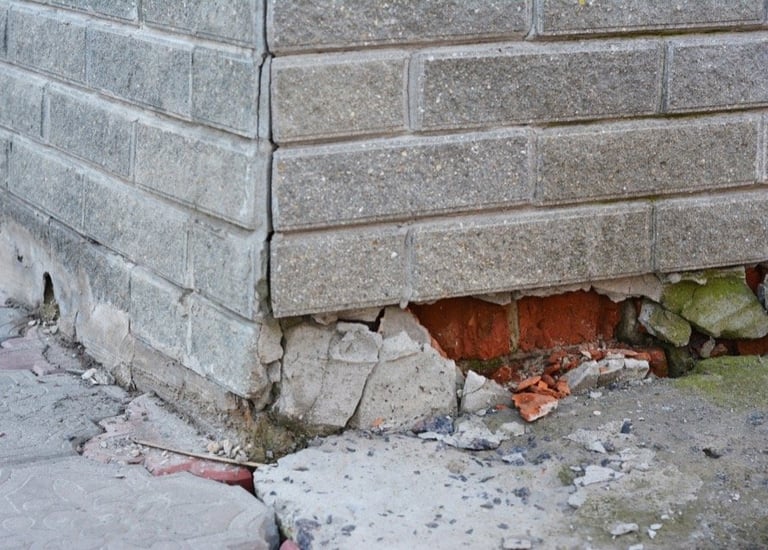
Deferred Maintenance Costs More
Deferred maintenance creates a financial trap.
Preventive maintenance may cost tens of thousands of dollars.
Rehabilitation costs several hundred thousand dollars.
Complete reconstruction may cost several times more.
Every year maintenance is postponed, the eventual repair cost generally increases.
That means waiting rarely saves money.
It usually makes repairs substantially more expensive.
Water Infrastructure
Roads are only one part of the City's infrastructure.
Upland also maintains:
water wells,
reservoirs,
transmission pipelines,
sewer lines,
storm drains,
treatment facilities,
pressure zones,
pumps,
valves.
Much of this infrastructure was installed decades ago.
Many of the City's master plans had not been comprehensively updated for many years, requiring substantial planning efforts to identify future capital needs.
To reduce costs, the City increasingly coordinates underground utility work with street reconstruction so roads are excavated only once, a strategy sometimes described as a "sandwich" approach to infrastructure planning.
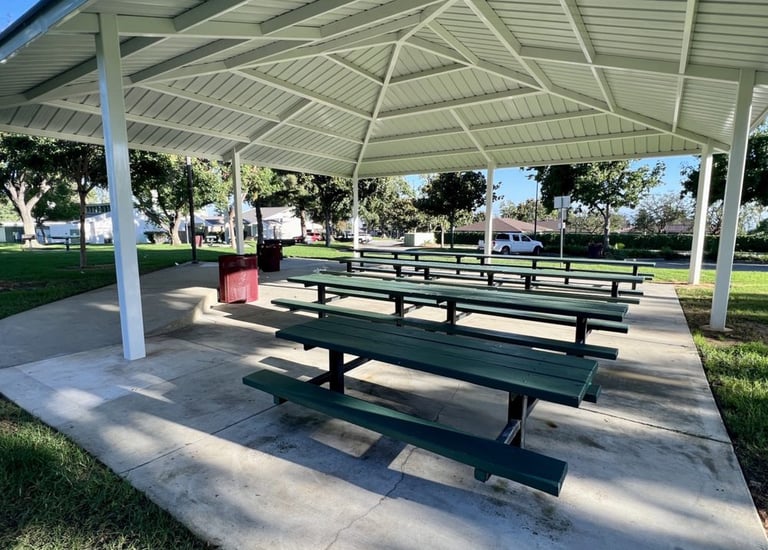
Parks and Public Facilities
Infrastructure extends beyond streets.
The City must also maintain:
parks,
playgrounds,
sports fields,
community centers,
libraries,
public buildings,
parking lots,
street lighting,
sidewalks,
ADA improvements,
traffic signals.
Many of these facilities are decades old and require ongoing rehabilitation or replacement.
Why Grants Cannot Solve Everything
The City has successfully secured tens of millions of dollars in outside funding for major projects.
Those grants have helped reconstruct major streets, expand parks, replace aging infrastructure, and improve public facilities.
However, grants have limitations.
Most grants:
are restricted to specific projects,
require local matching funds,
cannot generally pay for routine maintenance,
cannot fund police officers, firefighters, or everyday operations.
Grant funding is extremely valuable but cannot permanently replace sustainable local revenue.
Rising Costs Beyond Local Control
Many of the City's largest expenses are driven by factors outside local control.
Examples include:
state and federal regulatory requirements,
environmental compliance,
stormwater regulations,
pension obligations,
healthcare inflation,
workers compensation,
liability insurance,
utility costs.
California cities frequently face new mandates without receiving enough funding to implement them.
These unfunded or underfunded mandates place additional pressure on already limited General Fund revenues.
Staffing Challenges
Despite financial pressures, Upland operates with relatively lean staffing compared with many neighboring cities.
The City has approximately 2.7 employees per 1,000 residents, well below many comparable municipalities.
While this has helped control operating costs, it also limits organizational capacity and can make it difficult to keep pace with growing infrastructure, development, engineering, maintenance, and customer service demands.
The Difficult Choices Ahead
Without additional sustainable revenue, the City will continue facing increasingly difficult choices.
These may include slowing or delaying:
road rehabilitation,
park improvements,
facility modernization,
tree maintenance,
public safety investments,
recreation programs,
equipment replacement.
Over time, deferred investment can reduce service quality and increase long-term costs.
Reasons for Optimism
Despite these challenges, there are encouraging signs.
Over the past several years, the City has:
secured record levels of competitive grant funding,
modernized many internal operations,
completed significant street reconstruction projects,
invested in water infrastructure,
expanded park improvements,
strengthened capital planning,
coordinated infrastructure projects to reduce costs,
focused on improving efficiency before seeking new revenues.
These actions have positioned the City to make better use of limited resources than in the past.
The City's most significant financial burden is not day-to-day operations.
It is deferred infrastructure maintenance.
For decades, Upland, like many California cities, did not receive enough ongoing funding to fully maintain public infrastructure.
Instead of replacing assets before they wore out, many repairs were delayed simply because funding was unavailable.
Eventually those deferred repairs accumulated into a massive backlog.
CONTACT ME:
Cell Phone 909-342-2523 jpbreitling@gmail.com

